


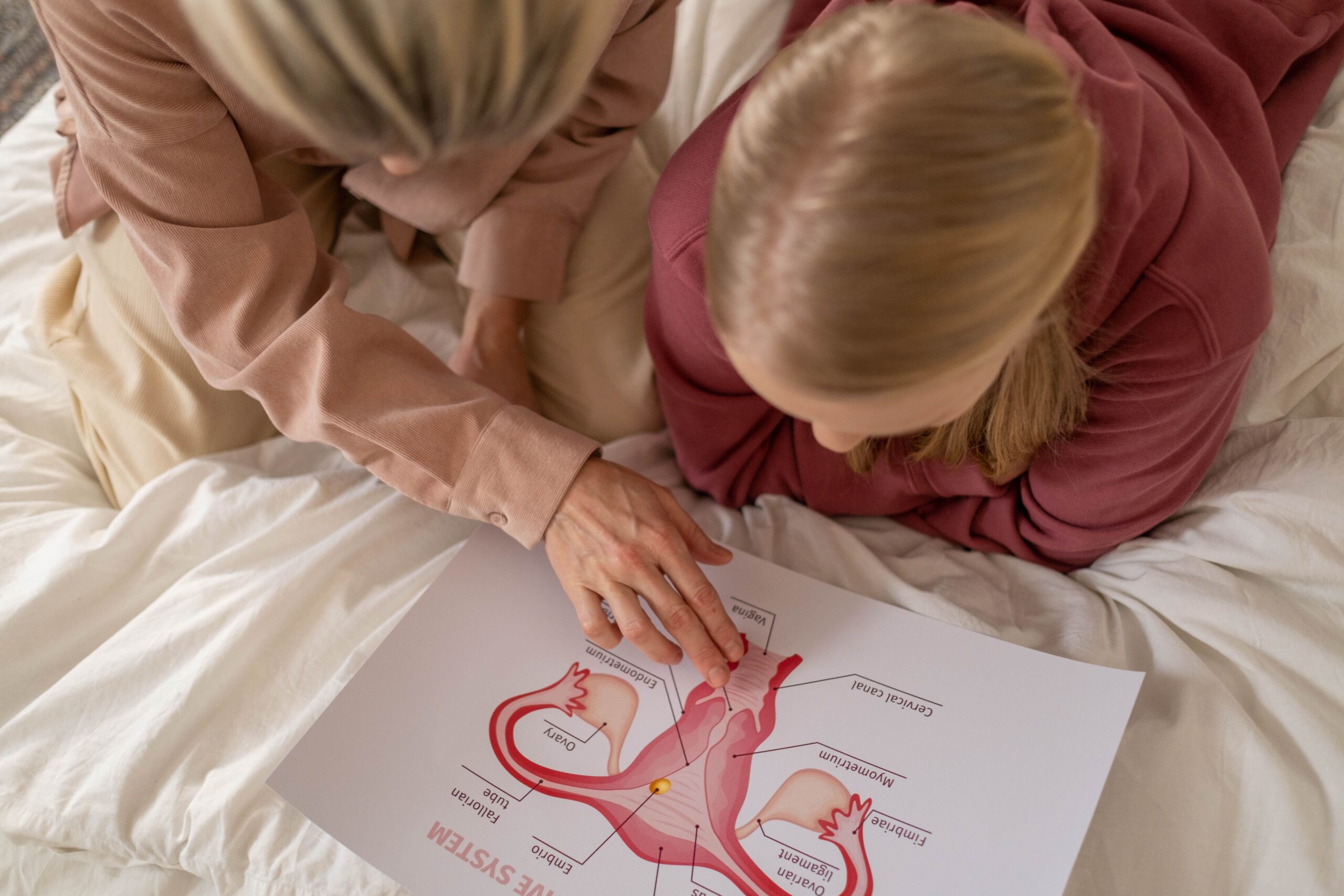
Feeling nervous before a gynecological appointment is one of the most common, and most commonly unspoken, experiences in women’s healthcare. Research consistently confirms what most people already sense anecdotally: anxiety around a gynecological exam is widespread, and it’s a real enough barrier that it sometimes leads people to delay or avoid appointments entirely, even when they know the visit is medically important. Understanding why this anxiety happens, and what research actually shows helps reduce it, can make a genuine difference in whether that next appointment gets scheduled or gets pushed off again.
Why Gynecological Exam Anxiety Is So Common
A gynecological exam involves a level of physical vulnerability that few other routine medical visits require, and researchers studying this specific anxiety have identified a fairly consistent set of contributing factors: fear of pain, shyness, cultural or religious background, and prior negative experiences with the exam itself. Add to that the unfamiliarity many patients feel toward the equipment, medical terminology, and clinical environment involved, and it becomes clear why this particular type of appointment provokes more apprehension than a typical check-up.
It’s also worth noting that this anxiety isn’t limited to patients navigating an unfamiliar exam. Even medical students learning to perform their first gynecological examination report significantly elevated anxiety immediately beforehand, according to research studying trainees at multiple universities, though that anxiety consistently dropped and confidence rose once the exam was actually underway. That pattern is worth taking some comfort in: an enormous amount of gynecological exam anxiety lives in the anticipation of the appointment rather than the appointment itself.
The Environment Matters More Than You’d Expect
One consistent finding across research into gynecological exam anxiety is that the broader clinical environment plays a real role, not just the exam itself. Crowded waiting rooms, long delays, and a sense of being overlooked by clinic staff have all been shown to intensify anxiety levels heading into the exam room. One study found that patients reported reasonable satisfaction as long as wait times stayed under roughly 40 minutes when arriving on time, with a somewhat higher tolerance for delays if the patient themselves arrived late.
This suggests something practical worth knowing: if a specific gynecological practice consistently runs behind schedule or feels rushed and impersonal, that environment itself may be actively contributing to your anxiety level, independent of the exam procedure. It’s a reasonable factor to weigh when choosing where to seek ongoing gynecological care, not just which specific physician you see.
What Actually Reduces Anxiety, According to Research
A randomized controlled study examining the effect of providing specific information about what a gynecological examination actually involves found that patients who received this kind of detailed pre-appointment information experienced measurably reduced anxiety compared to patients who went in without that preparation. In practical terms, this means simply knowing what to expect step by step, rather than walking into an unfamiliar process cold, genuinely helps.
Communication with your provider matters just as much once you’re in the room. Clinicians who specialize in this area consistently emphasize that voicing your specific concerns directly, whether that’s fear of pain, a prior negative experience, or simply general nervousness, allows a provider to adjust their approach in ways that can meaningfully ease the exam itself. This isn’t just a nice sentiment — providers who know a patient is anxious can adjust their pacing, offer more explanation throughout, and check in more frequently than they might with a patient who hasn’t flagged any concern.
Newer Approaches Are Being Studied Directly
The medical field has taken gynecological exam anxiety seriously enough to study genuinely novel interventions. One recent clinical trial examined whether a simple stress ball, used during a Pap smear specifically, could measurably reduce anxiety and pain during the procedure, reflecting a broader recognition that a negative pelvic exam experience can discourage women from returning for future recommended screenings, undermining the entire point of the screening in the first place.
More technologically involved approaches have been studied as well. A randomized controlled trial examined the use of virtual reality glasses, displaying calming nature scenes during the exam itself, to assess whether this kind of immersive distraction could reduce both pain and anxiety compared to a standard exam without any intervention. Other current research is specifically evaluating whether structured educational preparation, including AI-assisted patient training tools, can improve both anxiety levels and overall satisfaction with the gynecological exam experience. None of these approaches are universally available yet, but their existence reflects a genuine shift toward treating gynecological exam anxiety as a real clinical concern worth actively addressing, rather than something patients are simply expected to push through unaided.
Practical Steps You Can Take Before Your Own Appointment
A few concrete strategies, backed by both research and consistent clinical guidance, can help manage gynecological exam anxiety heading into your next visit. Educating yourself beforehand about exactly what the exam involves, step by step, tends to reduce the fear of the unknown that drives much of this anxiety in the first place. Communicating openly with your provider about specific concerns, whether that’s a prior traumatic experience, fear of pain, or simple nervousness, allows them to adjust their approach accordingly rather than proceeding as though every patient has identical needs.
It’s also worth acknowledging your anxiety without judgment rather than fighting it. Clinicians who work extensively with anxious patients note that simply accepting nervousness as a valid and common response, rather than treating it as something to suppress or feel embarrassed about, tends to make the feeling less overwhelming in itself. Basic relaxation techniques, like slow breathing during the exam, can also genuinely help in the moment, and it’s entirely reasonable to ask your provider to pause briefly if you need a moment during the appointment.
Why This Matters Beyond Individual Comfort
Gynecological exam anxiety isn’t just a matter of personal discomfort — it has real public health implications. When anxiety becomes severe enough to cause patients to delay or skip recommended gynecological visits, it directly undermines the preventive value of screenings like Pap smears, which are specifically designed to catch conditions like cervical cancer at an early, highly treatable stage. Addressing this anxiety seriously, both through individual coping strategies and through broader improvements in how clinics manage wait times and patient communication, isn’t a minor comfort issue — it’s a meaningful factor in whether preventive gynecological care actually reaches the people who need it.
The Bottom Line
Gynecological exam anxiety is common, well-documented, and genuinely manageable with the right preparation and communication. Whether it’s requesting clear information ahead of time, speaking directly with your provider about specific concerns, or simply reminding yourself that this nervousness is a shared, normal experience rather than something unusual to you personally, these steps can transform what feels like a dreaded appointment into a manageable, even empowering, part of routine healthcare. The goal isn’t eliminating every trace of nervousness — it’s making sure that nervousness never becomes the reason an important gynecological visit gets pushed off indefinitely.
