


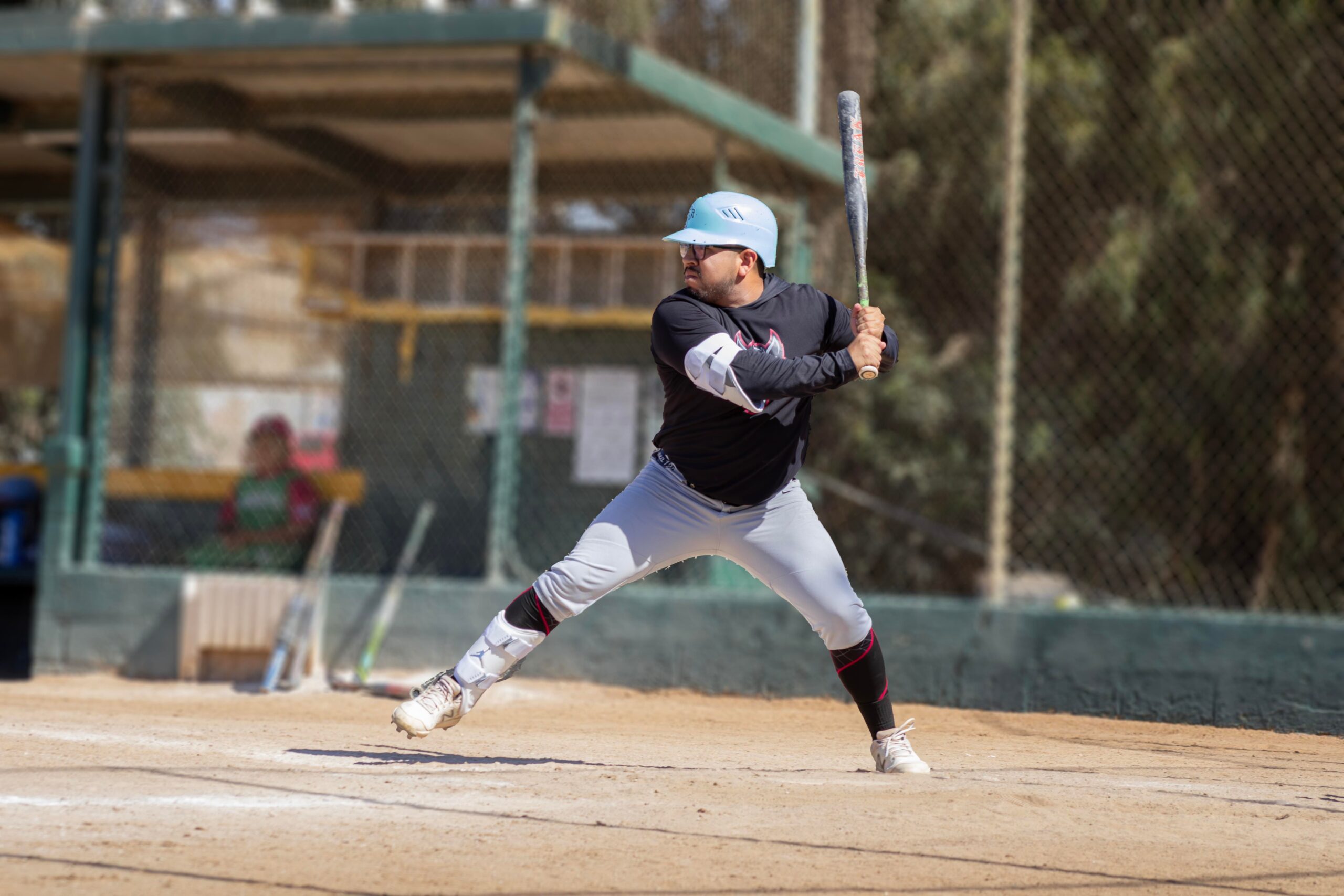
Baseball has always been more than nine innings and a scoreboard. For millions of players, parents, and lifelong fans, it’s a rhythm that shapes entire summers, weekends, and wardrobes, long before and long after the final out. What’s changed in recent years isn’t the sport itself so much as how openly people now express that connection. The baseball lifestyle, once a quiet, unspoken thing you simply lived, has become something people actively identify with, dress for, and build community around, both on and off the field.
What “Baseball Lifestyle” Actually Means
The phrase has come to describe something distinct from simply being a fan of a particular team. Wearing a replica jersey represents a specific franchise. The baseball lifestyle, by contrast, represents the game itself — the dugout, the early morning practices, the long travel days to tournaments, the superstitions, and the nostalgia that anyone who’s spent real time around the sport instantly recognizes. It’s less about rooting for a team and more about signaling a genuine, lived relationship with the game.
This distinction matters because it’s shaped an entire category of apparel and culture built specifically around that off-field identity, rather than around any single team’s colors or logo. Brands operating in this space have recognized that plenty of people want to represent baseball itself, not just a franchise, and that recognition has turned into a genuinely significant cultural and commercial movement.
The Brands Building This Culture
A handful of companies have become closely associated with defining what the baseball lifestyle actually looks like in practice. Baseball Lifestyle 101, often shortened to BL101, started as a teenager’s Instagram page built around raw, relatable content about the daily grind of the sport, before growing into a company with hundreds of employees and products sold in well over a thousand retail locations nationwide, including partnerships with major retailers. Its growth reflects something notable about how this particular culture has spread: rather than leading with a product and hoping fans would buy in, the brand built a genuine community first, then let the apparel follow naturally from that shared identity.
Baseballism has taken a similarly identity-driven approach, positioning itself around vintage-inspired designs and everyday wearability rather than pure on-field performance gear, appealing to people who want their wardrobe to reflect a connection to the sport’s history and culture even when they’re nowhere near a ballpark. Other brands, like Warstic and Retro City Threads, have carved out their own specific corners of this same broader cultural space, whether through bold, statement-making gear or nostalgic throwback aesthetics pulled from minor league history.
Why Families Are Central to This Culture
One of the more distinctive aspects of the baseball lifestyle is just how multi-generational it is. Unlike some sports cultures that skew heavily toward a single age demographic, baseball’s audience regularly includes grandparents, parents, and children attending games and living out the culture together. Youth travel ball has become a particularly significant driver of this identity, with baseball parents spending entire weekends living out of coolers and lawn chairs at tournaments, and that lifestyle has generated its own distinct apparel market built around comfort, travel practicality, and a shared badge of dedication worn by kids and parents alike.
This family dimension explains why baseball lifestyle apparel spans such a wide range of products beyond typical adult clothing — backpacks, lunch boxes, and youth-focused collections built specifically around the back-to-school season for travel ball kids reflect just how embedded this culture has become in everyday family routines, not just gameday outings.
How Major League Baseball Has Embraced the Trend
The baseball lifestyle movement hasn’t gone unnoticed at the professional level either. Major League Baseball and its official partners have leaned further into personal style and cultural relevance in recent years, with signature cleats, custom glove collaborations, and limited-edition apparel drops positioning today’s top players as cultural influencers as much as elite athletes. New Era, MLB’s official cap partner, has continued expanding its seasonal collections with design details tied specifically to spring training locations and team identity, reflecting how even official league merchandise has increasingly adopted the language and aesthetic sensibilities of lifestyle branding rather than sticking to purely traditional team merchandise.
This shift makes sense from a marketing standpoint. Baseball’s long season and leisurely pace give brands and the league itself far more opportunity to build genuine emotional connection with fans than a shorter, more condensed sports calendar would allow, and companies partnering with MLB have recognized that fans who feel connected to the culture, not just a specific team’s win-loss record, tend to be considerably more loyal over the long run.
The Everyday Wardrobe Built Around the Sport
Practically speaking, embracing the baseball lifestyle today often means building a wardrobe that works both at the ballpark and well beyond it — hoodies, graphic tees, and windbreakers designed with baseball-specific references and aesthetics, but cut and styled for everyday wear rather than looking like standard team merchandise. This off-field apparel category has grown enough that it now spans everything from youth travel ball gear to adult streetwear-inspired collections drawing on vintage baseball design cues, giving people at every age and skill level a way to represent their connection to the sport without needing to wear a jersey to do it.
For players specifically, from youth travel ball athletes to high school and college competitors, this off-field look has become something taken almost as seriously as on-field performance gear, functioning as a visible signal of dedication to the sport that extends well beyond the diamond itself.
Why This Culture Continues to Resonate
Part of what makes the baseball lifestyle so durable as a cultural identity, rather than a passing trend, is how deeply it’s tied to genuine ritual and memory. For many people, baseball connects directly to childhood, family tradition, and a specific, recognizable rhythm of long summers and repeated seasons that few other sports replicate in quite the same way. That emotional foundation gives brands and communities built around the baseball lifestyle something more durable to work with than a typical sports merchandising cycle, since the connection isn’t really about a single season’s standings — it’s about an ongoing relationship with the game that spans years and generations.
The Bottom Line
The baseball lifestyle has evolved from a quiet, personal connection to the sport into a visible, celebrated cultural identity, complete with its own dedicated apparel brands, retail partnerships, and multi-generational community built around travel ball weekends, ballpark rituals, and a shared appreciation for the game’s history. Whether it’s a teenager wearing eye black to run errands, a parent decked out for a weekend tournament, or a lifelong fan choosing vintage-inspired gear over a standard jersey, the throughline is the same: for the people who live it, baseball was never just a game to watch. It’s a way of life worth representing every single day, not just on gamedays.
